ServicesTankless Water Heaters
Tankless Water Heater Installation in Goodlettsville
A tankless unit only works as well as the gas line, venting and sizing behind it. We look at all three in your home before we recommend a model, so the heater you get keeps up with your showers and runs the way it should from day one.
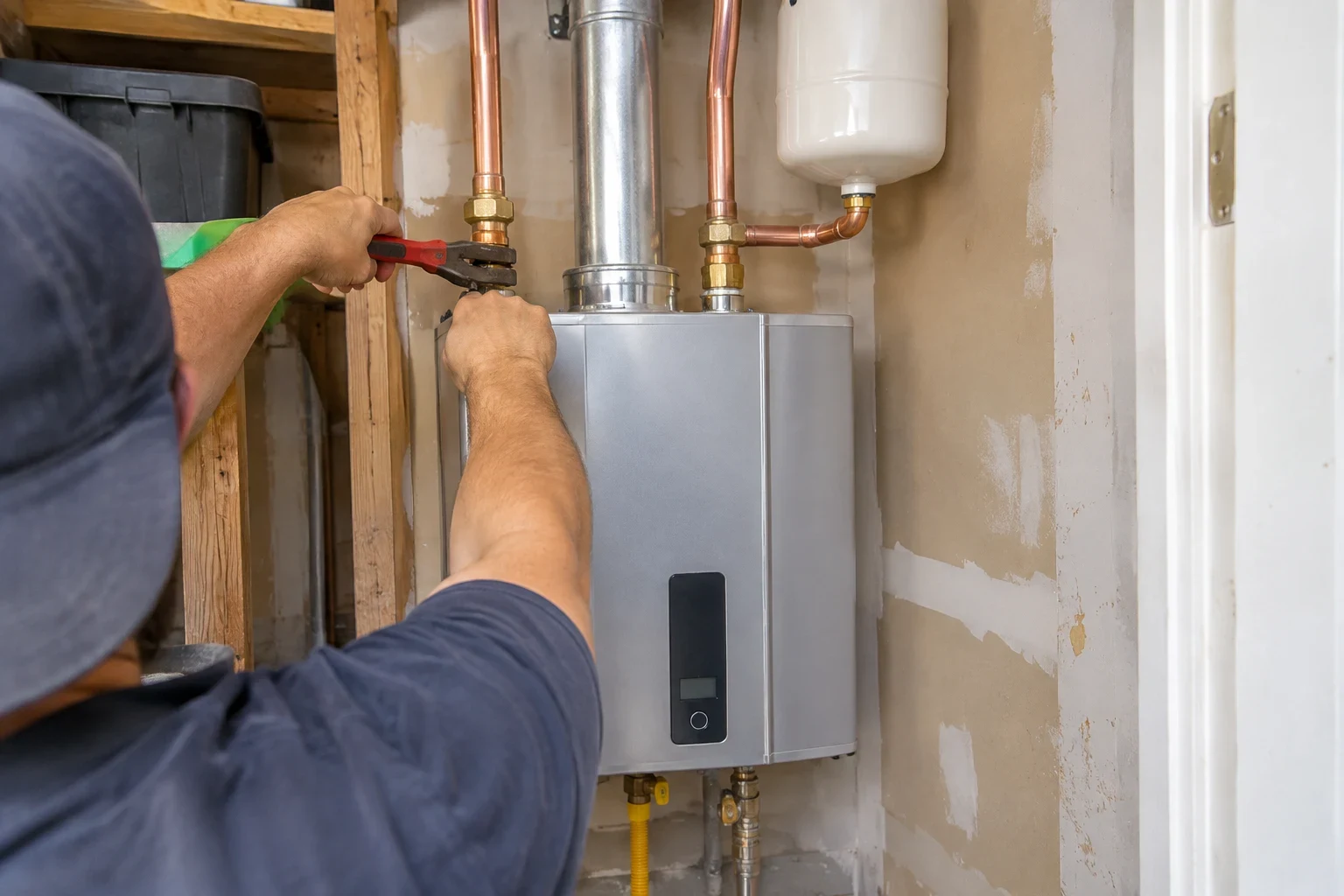
Getting a tankless heater right starts before the box arrives
A tank heater keeps a big drum of water hot around the clock. A tankless water heater only fires when you turn on a hot tap, and it heats the water as it passes through. That means hot water that keeps coming, a unit that hangs on the wall and no steel tank to rust through. The catch is that it pulls a heavy load of gas or electricity in short bursts, and most houses were piped for a tank.
So we check before we recommend anything. Plenty of gas tank heaters run on a half-inch line, and a lot of gas tankless models need more fuel than that pipe can carry. The vent setup is different too, and an electric unit may need more amperage than your panel has left. Skip those checks and you get bursts of cold water mid-shower, error codes and a heater that quits when everyone is getting ready at once.
We take measurements, look things over and tell you plainly whether tankless fits your home. Sometimes it does not, and we will say that too.
What the installation includes
Sizing by flow and water temperature
We figure out which fixtures you run at the same time and choose a unit by gallons per minute. Water comes in from the street a lot colder in the winter months, so we size for the coldest stretch of the year.
Gas line check and upgrade
We measure the pipe and how far it runs from your meter. If it cannot supply the unit at full output, we put in a larger line and pressure test it before the heater is ever fired.
New venting
A tankless unit cannot use the flue your old tank used. Condensing models usually vent out a side wall with PVC pipe and need a condensate drain, which we run and neutralize when needed.
Service valves for flushing
We add isolation valves so the heat exchanger can be cleaned out without cutting into pipe. Hard water is common across Middle Tennessee, so that yearly flush is worth doing.
Removal and haul-off
We drain the old tank, disconnect it and haul it away. Then we clean up the spot where it sat.
Permit and inspection
Gas and water heater work usually calls for a permit. We pull it and book the inspection, so someone besides us checks the finished job.
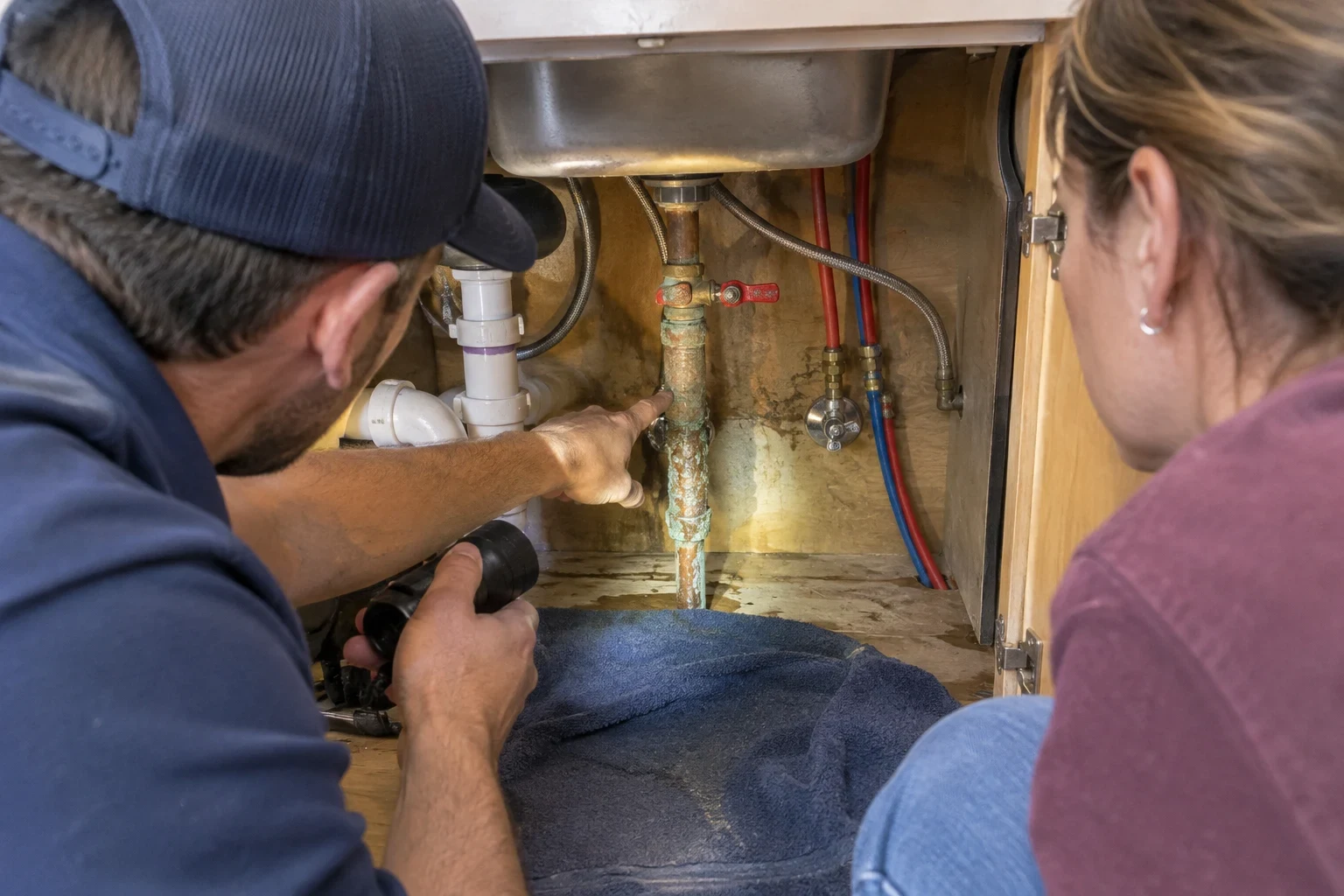
When a tankless unit is worth a look
- The second shower goes cold
- Whoever showers last gets lukewarm water, or laundry has to wait until baths are done. A tankless unit sized for your family keeps heating as long as the tap is open.
- Brown water or a damp base
- Rust-colored water on the hot side or a wet spot under the tank points to a failing lining. That usually only gets worse.
- Crackling and rumbling sounds
- Sediment settles on the tank floor and pops as the burner heats it. It burns extra fuel and wears the tank out sooner.
- A tank past the ten-year mark
- Swapping it out when you choose beats cleaning up after it lets go in the garage. Planning ahead also leaves time to sort out gas and venting.
- You want the floor space back
- A wall-hung heater frees up room when you finish a basement or clear out a utility closet.
How the job goes
- 1
Look before we quote
We come out, check the gas meter and line, the venting path, the electrical panel if needed, and how your family uses hot water. Then we explain what we found.
- 2
Written estimate
You get a clear estimate that lists the unit, the gas and vent work and the permit. No surprises added on install day.
- 3
Install day
Most swaps take a full day. Hot water is off while we work, and we cover floors along the path to the heater.
- 4
Test and walk-through
We fire the unit, check gas pressure and run several fixtures at once to confirm temperature holds. Then we show you the controls and the flush valves.
What sets the price
Every home is a little different, so we price after we see yours. The unit itself is only part of it. The gas line, venting and setup work often decide the final number. We offer free estimates and financing options, and we accept all major credit cards and cash.
- Unit size and type
- Higher flow units cost more. Condensing gas, non-condensing gas and electric models each carry different prices and install needs.
- Gas line work
- A short, already large line keeps cost down. A long run or an undersized pipe from the meter adds labor and material.
- Venting route
- A wall a few feet away is simple. Venting up through a roof or across a finished room takes more.
- Location changes
- Keeping the heater where the tank sat is usually cheapest. Moving it means new water, gas and drain connections.
Tankless questions we hear often
- Does a tankless heater ever run out of hot water?
- Not if it is sized for the most hot water you use at one time. Say two showers and the dishwasher run together. The unit has to handle that flow when the incoming water is at its coldest. Most tankless complaints come from a heater that was too small, so we measure before we pick one.
- Can I keep my existing gas line?
- Sometimes you can. It comes down to the pipe size, how far it runs from the meter and what else it feeds, like a furnace or a range. We check each of those and tell you straight whether the line can keep up.
- Do tankless units need maintenance?
- Yes. Minerals settle in the heat exchanger over time, so plan on a flush about once a year. The service valves we put in make it a quick job. If scale is a big problem in your home, our whole home water filtration work can help slow it down.
- Should I go with gas or electric?
- If gas is already in the house, a gas unit usually does a better job for a whole family. Electric whole-house models can call for a large breaker and heavy wire, and plenty of panels are already full. We look at your gas service and your panel before we point you either way.
- Who does the work, and are you covered?
- Our own crew does the install under our Tennessee CMC-A plumbing license, and we carry insurance on the job. We are also backflow certified, which matters any time new equipment ties into your water supply. We pull the permit so the work gets inspected.
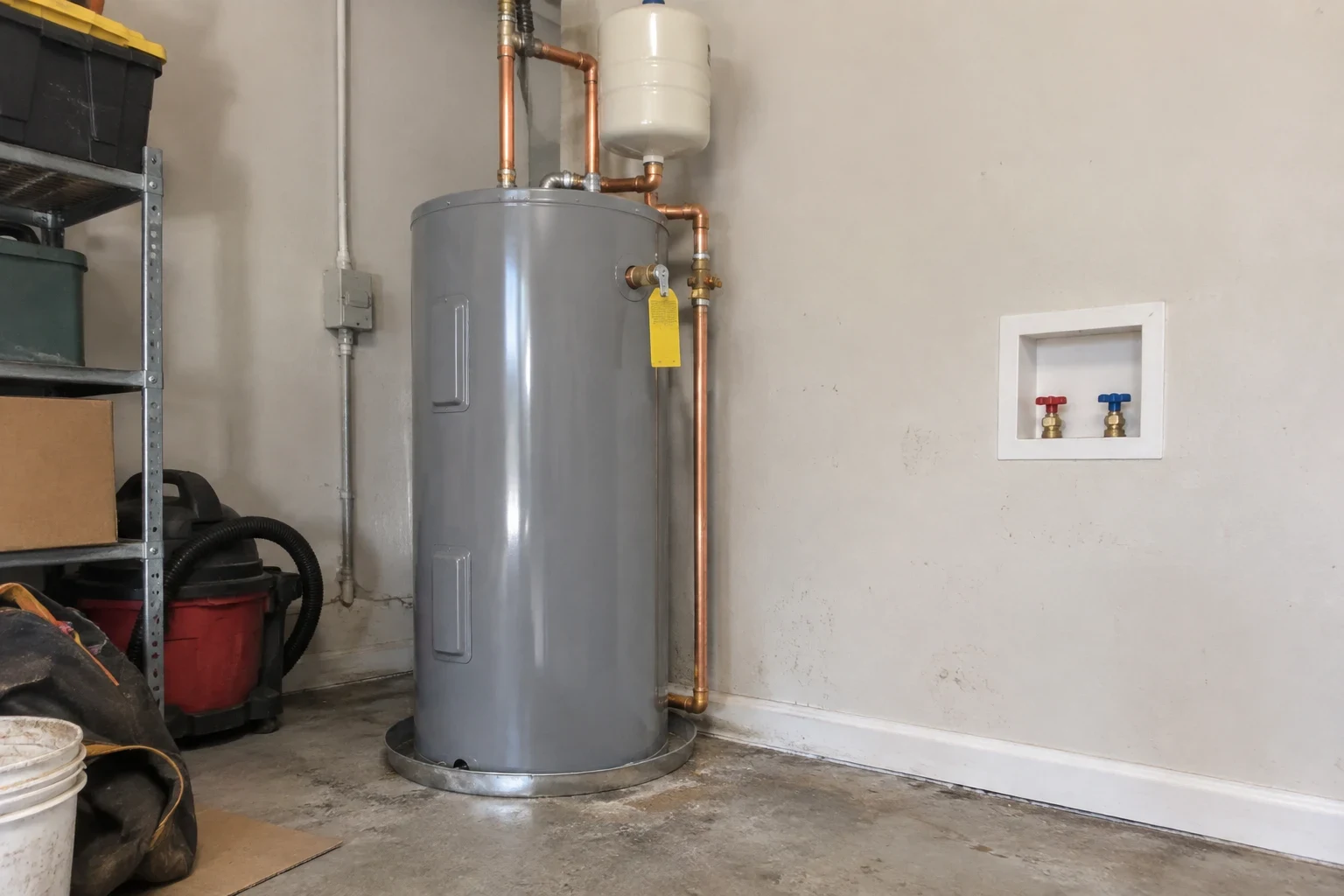
Find out if tankless fits your home
We will check your gas, venting and water use, then give you a straight answer and a written price. If your old heater has already failed, we also offer 24/7 emergency plumbing service.