ServicesWater Filtration
Whole Home Water Filtration in Goodlettsville
We test your water before we recommend a single filter. Then we install a system on your main line that targets what is really in it, so every tap, shower and appliance in your home gets the same clean water. You get a straight answer and a free estimate.
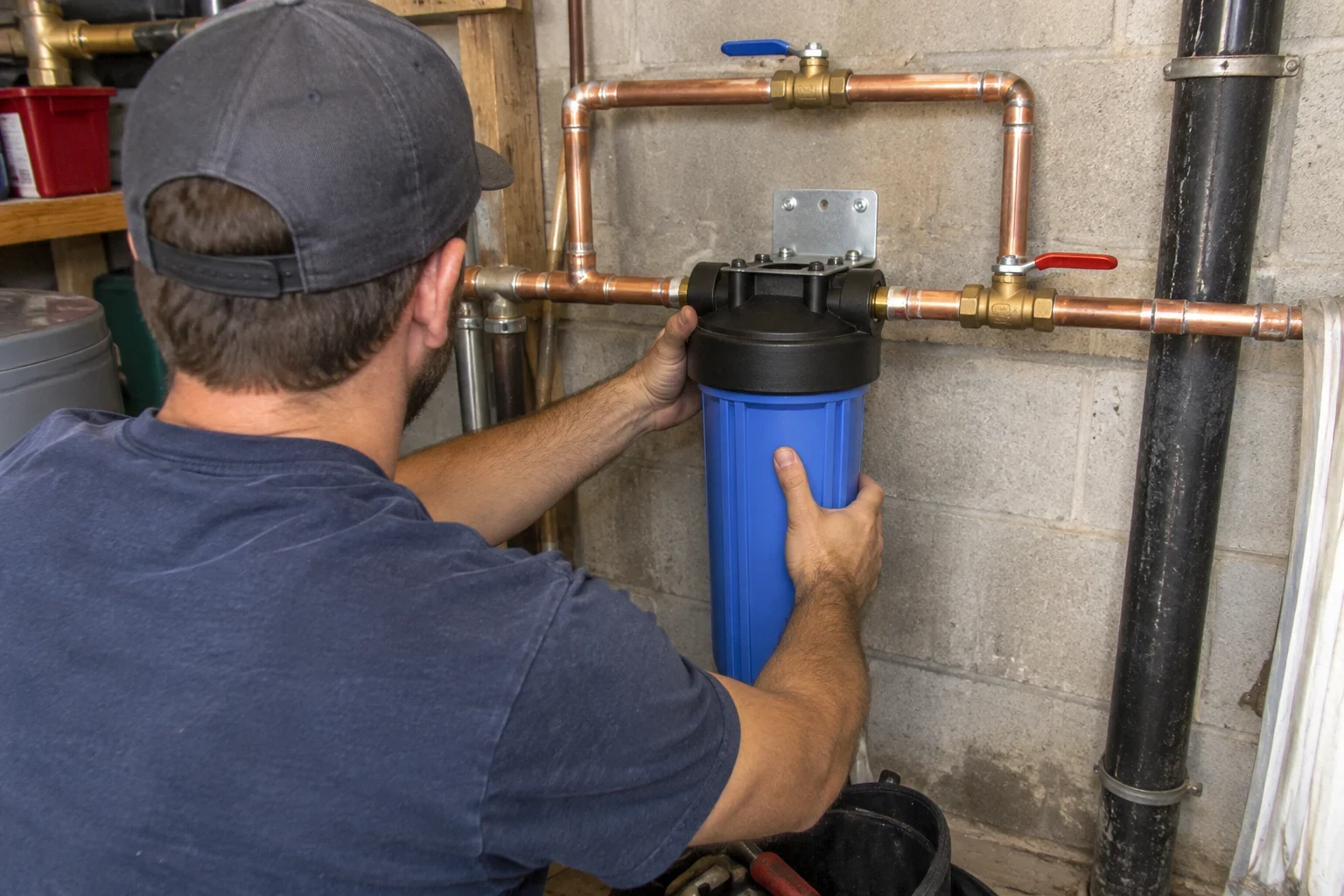
What a Whole Home System Does
A whole home filter sits where the water line comes into your home, usually near the main shutoff or the water heater. Everything past that point gets treated: the kitchen, the bathrooms, the laundry and the water heater itself. A pitcher or an under-sink unit only cleans one glass at a time.
The right system depends on the problem. Chlorine taste calls for carbon. White scale on fixtures points to hard water, which is common across Middle Tennessee because of the limestone in the ground. Sediment, iron or a sulfur smell each need something different. That is why we test first. Plenty of people buy a big system for a problem they don't have and still live with the one they do.
We are licensed and insured, and we do this work under our Tennessee CMC-A plumbing license. The cut-in, valves and connections are done to code, not rigged to fit.
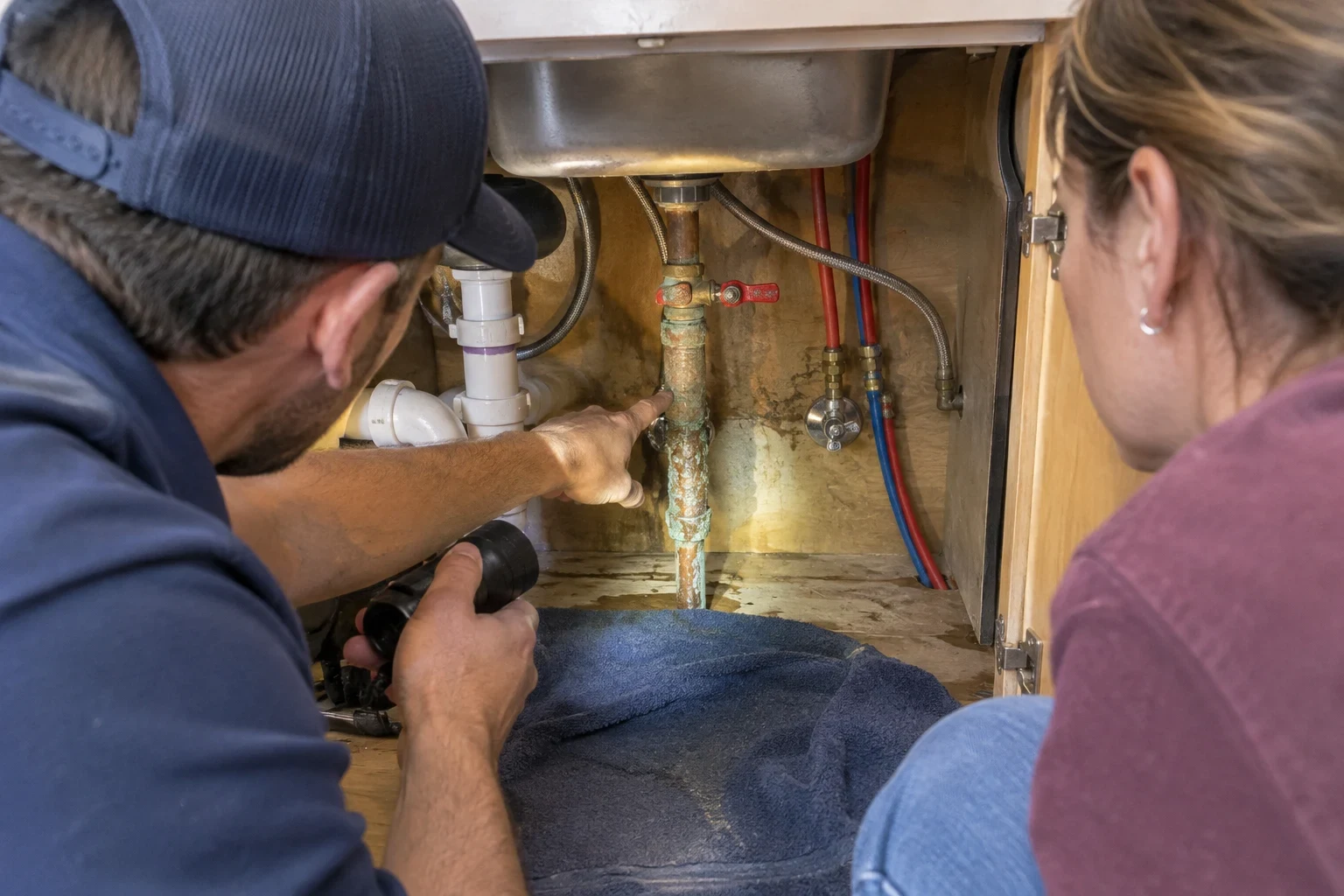
What the Work Includes
- 01
Water testing on site
We check hardness, chlorine, iron, pH and sediment at your tap and show you the numbers. If something needs a lab test, we tell you why before anything is ordered.
- 02
A system sized to your home
We size by the number of bathrooms and how much water you use at once. That keeps pressure steady when the shower and the washer run together.
- 03
Main line install with a bypass
We add shutoff valves on both sides of the unit and a bypass loop. You can change filters or service the system without cutting water to the whole house.
- 04
Backflow and drain line check
We are backflow certified. When a system has a backwash drain or ties into the main, we make sure treated water, untreated water and waste stay separated the way code requires.
- 05
Softener or conditioner when hardness is the issue
If the test shows hard water, we explain the difference between a softener and a scale conditioner and which one fits how you use water.
- 06
Upkeep walkthrough
Before we leave, we show you how to change cartridges, what the gauges mean and roughly how often each part needs attention.
Questions about Water Filtration?
Call(615) 208-5060Signs Your Water Needs a Whole Home Filter
White crust on faucets and shower heads
That chalky buildup is mineral scale from hard water. It also builds up inside your water heater, dishwasher and washing machine where you can't see it.
Chlorine taste or smell
City water is treated to be safe, but many people don't like the pool smell in the shower or the taste in coffee. Carbon filtration takes care of it for the whole house.
A rotten egg smell
A sulfur smell can come from the water itself or from the water heater. We figure out which one before suggesting a fix, because the answers are different.
Orange, brown or gritty water
Rust stains in sinks and toilets, or grit in aerators, point to iron or sediment. Left alone, it wears out valves and stains laundry.
Spotty dishes and dry skin
Hard water leaves film on glasses and makes soap hard to rinse off. Many people notice the difference in the shower within a few days of treatment.
How a Filtration Job Goes
- 1
On-site testing at no cost
Your free estimate starts with a water sample from your tap and a look at where the main line enters the house. We read the results right there with you, so you know what we found before any talk of equipment.
- 2
A plan in plain terms
Next we explain what the numbers mean, which system handles it and what the job will cost. If your water is already in good shape and a filter won't do much, you'll hear that from us.
- 3
Install day
We turn off the water, cut into the main, then set the unit along with its valves and bypass. Any drain line the system needs goes in at the same time. Most installs take part of a day, and we protect your floors and clean up before we leave.
- 4
Retest and show you the upkeep
Once the system is flushed, we check every joint for leaks and pull a fresh sample so you can compare it to the first one. Then we walk you through filter changes and what to watch for.
What Sets the Price
Two things drive the price: what is in your water and how your home is plumbed. Treating chlorine with one carbon filter is a lighter job than putting a softener and a sediment filter on a house with four bathrooms. Your free estimate lists every part and the labor on its own line, so nothing turns up later as a surprise. We also offer financing options, and we take cash along with all major credit cards.
- Your test results
- A single problem usually needs a single stage. Hard water with iron and chlorine on top can take two or three stages working together.
- Home size and daily use
- A bigger family or more bathrooms calls for a larger unit with a higher flow rating. That keeps pressure up when several fixtures run at once.
- Access to the main line
- If your main comes in through an open garage or utility room, the cut-in goes quickly. A crawlspace or cramped closet adds time and sometimes extra pipe.
- Drain and outlet needs
- Softeners and backwashing filters have to drain somewhere, and some need power. When there is no drain or outlet close by, we run one.
- Cartridges or long-life media
- Cartridge systems cost less up front but need swaps a few times a year. Media tanks cost more to start and go longer between service. We put the two side by side for you.
Water Filtration Questions
I'm on city water. Do I still need a filter?
Maybe not. The utility treats city water so it is safe, but it can still be hard or carry a chlorine taste. Our test shows what you actually have, and we will tell you plainly if a system isn't worth the money for your home.
Does filtering the whole house cut down my water pressure?
A unit that's the right size for your home shouldn't. When people lose pressure after an install, the cause is usually a system that's too small or a cartridge left in well past its time. We size for the hours your household uses the most water, and we show you how to tell when a filter is clogging up.
What's the difference between a softener and a filter?
They solve different problems. A softener pulls out the calcium and magnesium that leave scale behind. A filter catches things like sediment, iron or chlorine. Plenty of homes around Goodlettsville need just one, some need both, and your water test settles it.
How often do the filters need changing?
That depends on the system and how much water your household goes through. Carbon and sediment cartridges commonly get swapped a few times a year, and some media tanks last far longer. We base your schedule on your own water, not a chart from the box.
Will this help my water heater?
It will if hard water is the issue. Minerals settle in the bottom of tank heaters and coat the heat exchanger in tankless units, and both lose efficiency over time. If you are also thinking about tankless water heater installation, we can plan the two jobs at the same time.
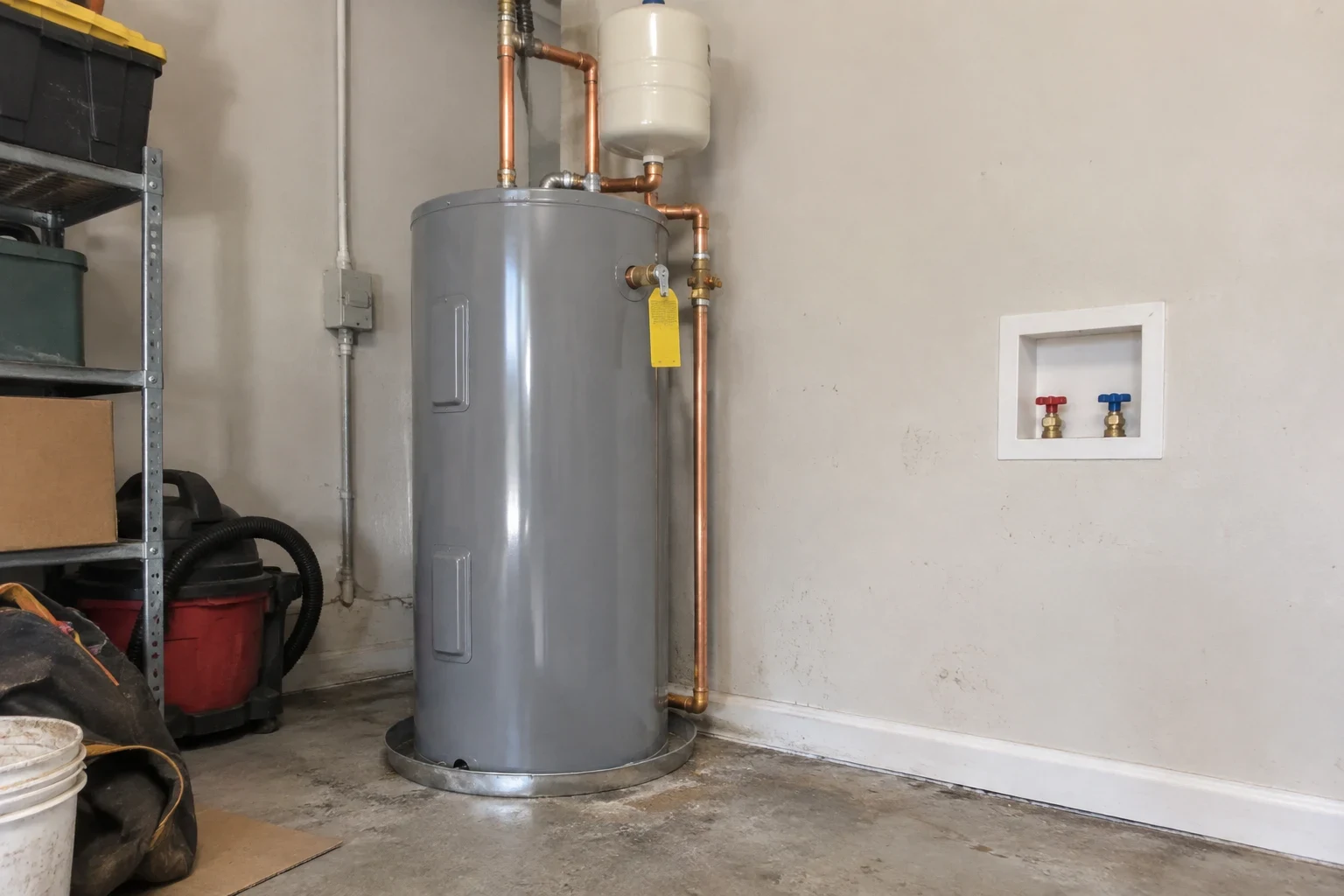
Find Out What's Really in Your Water
We test it, explain the results and recommend only what fixes the problem you have. The estimate is free and the answer is straight.